Featured
The Ultimate Guide To Policy Changes Influencing Debt Rel...
The Ultimate Guide To Documents to Gather for Bankruptcy ...
Actual Testimonials from Bankruptcy Counseling Users Thin...
Not known Factual Statements About Market Changes for Why Low-Interest Loans Are a Lifeline for Veterans Navigating Civilian Life Services
Table of Contents
That releases up cash in the short-term, and you might have 3 to 4 years to conserve towards the negotiation amount. Very harmful to credit report ratings, largely due to missed out on settlements and an adverse "settled" mark that could remain on your credit rating report for as much as seven yearsMay be just alternative if various other options (financial obligation consolidation, equilibrium transfer charge card, financial debt mercy) aren't possibleTypically calls for a cost to the 3rd party, which might counter some or all of the financial savings from financial debt settlementMay aid you stay clear of personal bankruptcy if you have actually missed several paymentsNot all creditors function with debt negotiation firms Debt mercy may be best for you if you are experiencing a monetary hardship that makes it nearly impossible to pay for your financial obligation balances.
With a DMP, you make one monthly settlement to the credit score counseling company. Those funds are then distributed to creditors of your unsafe financial obligations, such as credit cards and installment lendings. The agency collaborates with your financial institutions to lower rate of interest or forgo costs, but some financial institutions might refuse such concessions.
A financial debt consolidation lending combines your eligible financial debts right into one new loan. It can help you pay down debt if you're able to secure a lending rate that's reduced than the typical price of the accounts you're combining. However, you must refrain from acquiring debt on those newly removed accounts or your financial obligation can expand even higher.
That provides you lots of time to eliminate or substantially reduce your equilibrium while making interest-free payments.
7 Easy Facts About What to Watch For When Selecting a Debt Counseling Provider Explained
You may require it if your lender or a collection firm ever before tries to accumulate on the debt in the future. The letter could verify you don't owe what the debt collector's documents show. Yes, most of the times, the internal revenue service considers forgiven debt as gross income. When a lending institution forgives $600 or even more, they are required to send you Type 1099-C.
Debt forgiveness or settlement usually hurts your credit. Anytime you settle a debt for much less than you owe, it might look like "worked out" on your credit history report and affect your credit rating for seven years from the day of negotiation. Your credit can also go down significantly in the months causing the mercy if you fall back on settlements.
An Unbiased View of "Why Low-Interest Loans Are a Lifeline for Veterans Navigating Civilian Life Is a Failure" Exposed
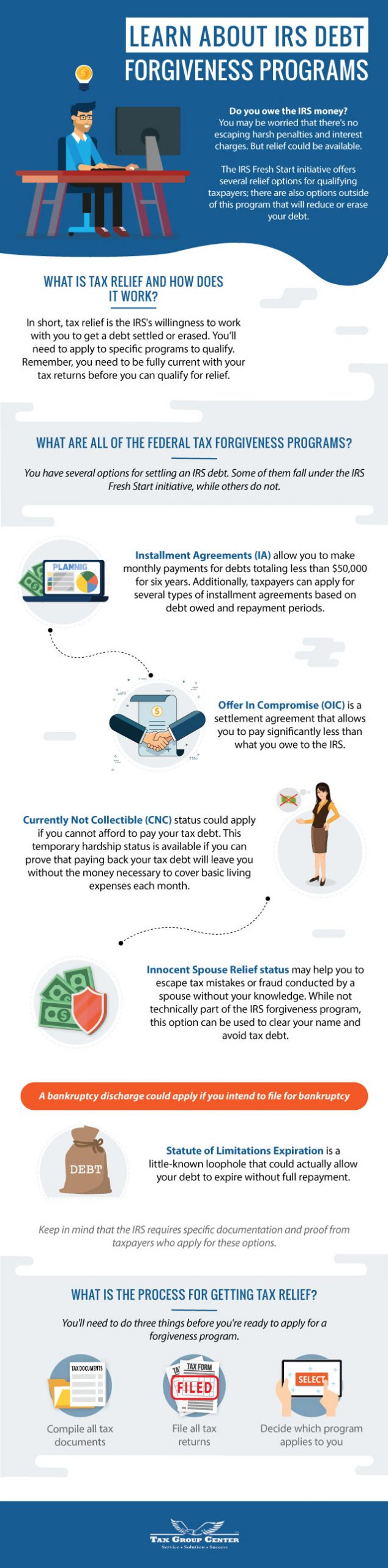
Tax financial debt concession programs Tax financial debt occurs when the quantity of tax obligations you owe surpasses what you have actually paid. This situation frequently results from underreporting income, not submitting returns on schedule, or inconsistencies discovered during an internal revenue service audit. The effects of accumulating tax obligation debt are significant and can include tax liens, which give the IRS a legal claim to your home as safety for the financial debt.
Higher passion rates on offered debt. Salaries and Financial institution Accounts internal revenue service can levy (confiscate) earnings and checking account to satisfy the financial obligation. Reduced earnings and disruption of crucial economic processes. Home Seizure In severe instances, the IRS can confiscate and offer residential property to cover the financial obligation. Loss of useful properties and possible variation.
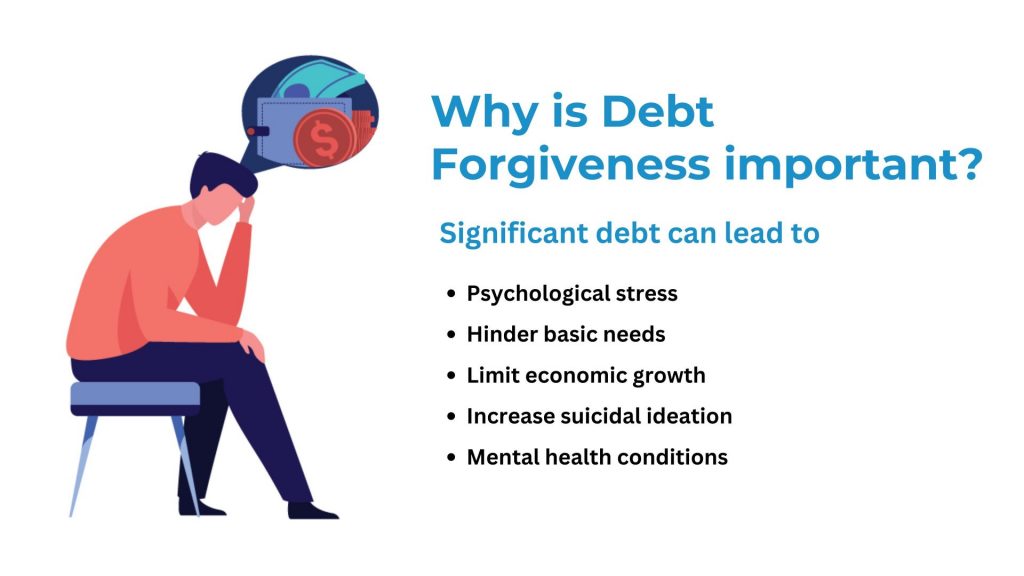
Depression, anxiety, and various other mental wellness concerns. Social Stigma Facing lawsuit from the internal revenue service can carry social preconception. Damages to reputation and connections. Work Opportunities A bad credit report as a result of strain debt can restrict employment possibility. Trouble searching for or maintaining a job. Government Benefits Tax obligation financial obligation may influence eligibility for government benefits, such as Social Security and Medicaid.
Comparing Debt Relief Companies in the Industry Can Be Fun For Everyone
The OIC takes into consideration several factors, including the taxpayer's revenue, costs, possession equity, and capacity to pay. Efficiently bargaining an OIC can be complex, requiring an extensive understanding of the IRS's guidelines and a solid disagreement for why your offer straightens with your capacity to pay. It is very important to note that not all applications are accepted, and the procedure calls for in-depth monetary disclosure.
The IRS examines your total monetary circumstance, including your income, expenses, possession equity, and capacity to pay. You need to also be existing with all filing and payment demands and not be in an open insolvency proceeding. The IRS likewise considers your conformity background, examining whether you have a record of timely declaring and paying taxes in previous years.
More About How Tech in Bankruptcy Services
The application process for an Offer in Compromise includes several comprehensive actions. You need to finish and submit IRS Type 656, the Deal in Compromise application, and Type 433-A (OIC), a collection details statement for people. These types need thorough economic info, including details concerning your earnings, financial debts, costs, and properties.
Back tax obligations, which are overdue taxes from previous years, can dramatically increase your total IRS financial obligation otherwise resolved promptly. This financial debt can accrue rate of interest and late payment charges, making the original quantity owed a lot bigger over time. Failure to repay tax obligations can lead to the IRS taking enforcement actions, such as providing a tax obligation lien or levy versus your residential or commercial property.
It is essential to attend to back taxes as quickly as possible, either by paying the sum total owed or by preparing a repayment strategy with the internal revenue service. By taking positive steps, you can prevent the buildup of added rate of interest and penalties, and protect against extra aggressive collection activities by the internal revenue service.
One typical factor is the idea that the taxpayer can pay the sum total either as a swelling amount or via a settlement plan. The internal revenue service additionally takes into consideration the taxpayer's income, expenditures, possession equity, and future earning potential. If these elements show that the taxpayer can afford to pay greater than the offered amount, the internal revenue service is likely to deny the offer.
Examine This Report on Real Testimonials of People Who Secured Freedom
Dealing with IRS financial obligation can be complex and challenging. Tax obligation professionals, such as Certified public accountants, tax obligation lawyers, or enrolled agents, can provide invaluable assistance.

Table of Contents
Latest Posts
The Ultimate Guide To Policy Changes Influencing Debt Relief Availability
The Greatest Guide To How APFSC Work with Families
:max_bytes(150000):strip_icc()/DebtRelief-BestDebtReliefCompaniesImage-65c32a5716014aeca3a4e55477cb8130.png)
The Ultimate Guide To Documents to Gather for Bankruptcy Counseling
More
Latest Posts
The Ultimate Guide To Policy Changes Influencing Debt Relief Availability
The Greatest Guide To How APFSC Work with Families
The Ultimate Guide To Documents to Gather for Bankruptcy Counseling